

Manchester United put in their most convincing performance of the 2026/27 pre-season on Friday, dismantling Norwegian side Rosenborg 5-0 in Trondheim to hand Michael Carrick his first win as permanent manager – and raise genuine questions about what his evolved style of play will look like
The result arrived six days after a chastening defeat to Wrexham, which made the manner of this win as important as the scoreline. United controlled large spells without Fernandes or Cunha in the side, showed fluency in both build-up and transition, and gave several academy graduates a stage to do something memorable on.
Sky Sports journalist Callum Bishop covered the five key talking points from Trondheim in full.
Carrick-Ball Is Evolving – and That Matters
🔴 Follow Stretty News on Google as a preferred source and be first with every United update.
When Carrick took over on a temporary basis, United’s identity was built almost entirely on speed of transition – third in fast breaks per game, joint-first in goals from fast breaks per 90. Possession was an afterthought; they ranked 13th in the Premier League for it. That worked against teams willing to engage, but left them exposed against deep defensive blocks.
Against Rosenborg – a side 13 games into their own domestic season and physically sharp – United didn’t need to rely on the counter. They pulled the hosts apart in build-up at times, with the ball moving quickly and intelligently even without their primary creative players. The second and fourth goals underlined that transitions remain in the toolkit, but the overall picture suggested Carrick is broadening his approach now that the permanent job is his. The Youri Tielemans signing makes more sense viewed through that lens.
Carrick’s cultural reset at Carrington has clearly extended to the training pitch.
Zirkzee Shines – but What Does That Actually Mean?
Joshua Zirkzee was the standout performer across his 60 minutes, finishing with an assist for the opener and a goal that drew comparisons to the sort of individual brilliance that made him one of Europe’s most talked-about forwards. The Dutch forward played a give-and-go with Harry Amass before selling two defenders with his footwork, then did the same to the Rosenborg goalkeeper before rolling into an empty net.
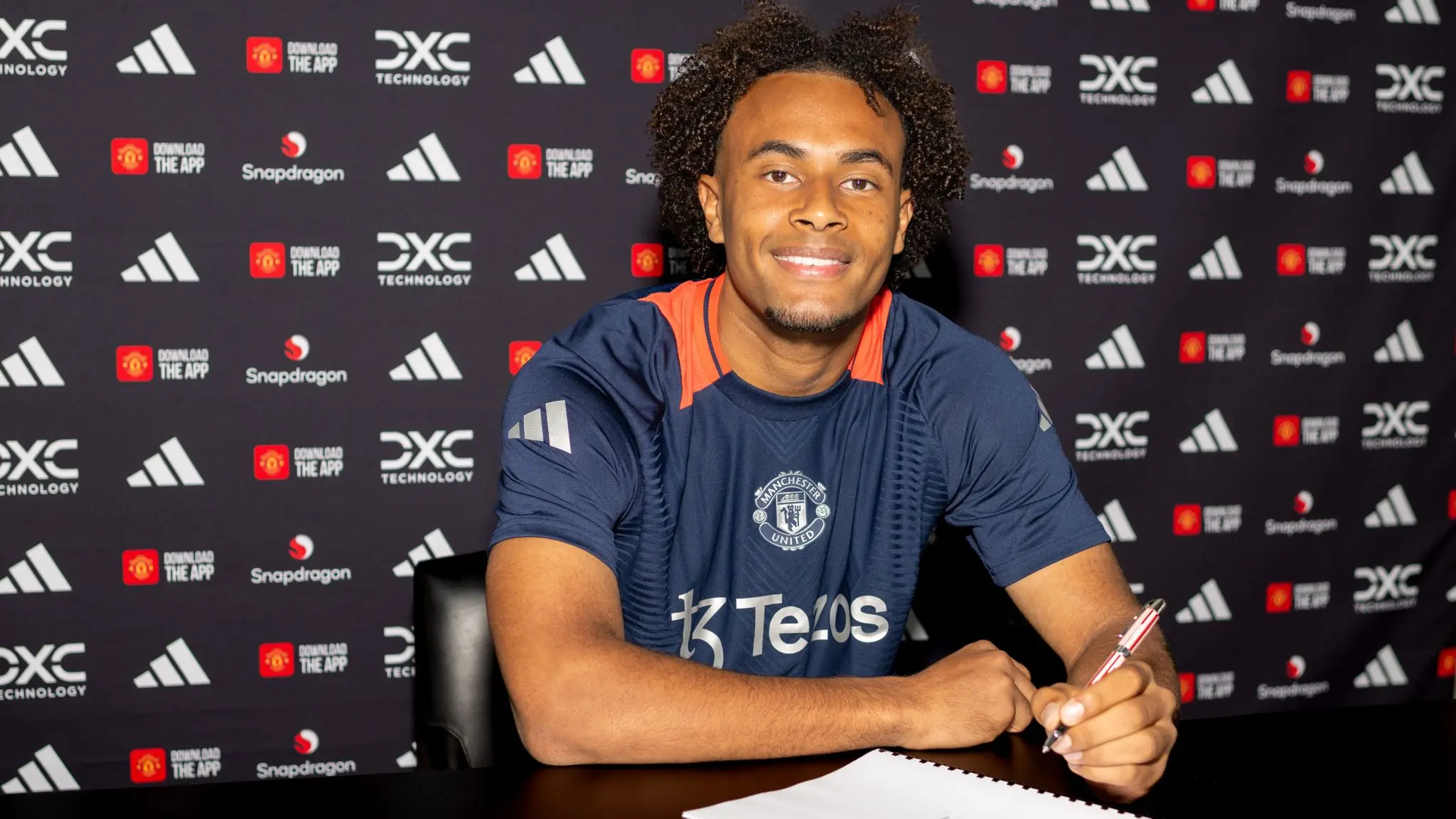
He was exactly what United needed him to be: a possession sponge who could play on the half-turn and bring others into rhythm. But as Bishop noted in his analysis, the pace of the game suited Zirkzee in a way that Premier League football frequently does not. Benjamin Sesko – not yet ready to return – remains the likely starting centre-forward, and Friday’s performance is arguably more of a template for how Carrick wants Sesko to operate than a case for Zirkzee’s promotion up the pecking order.
The Academy Took Its Moment
Shea Lacey, 19, started at number 10 and scored United’s opener with a composed curling finish. The hype around him had faded over the last 12 months after his near-screamer in a 2-2 draw with Burnley, but a more prominent role here showed there is a serious player developing. United fans voted him player of the match on the night.
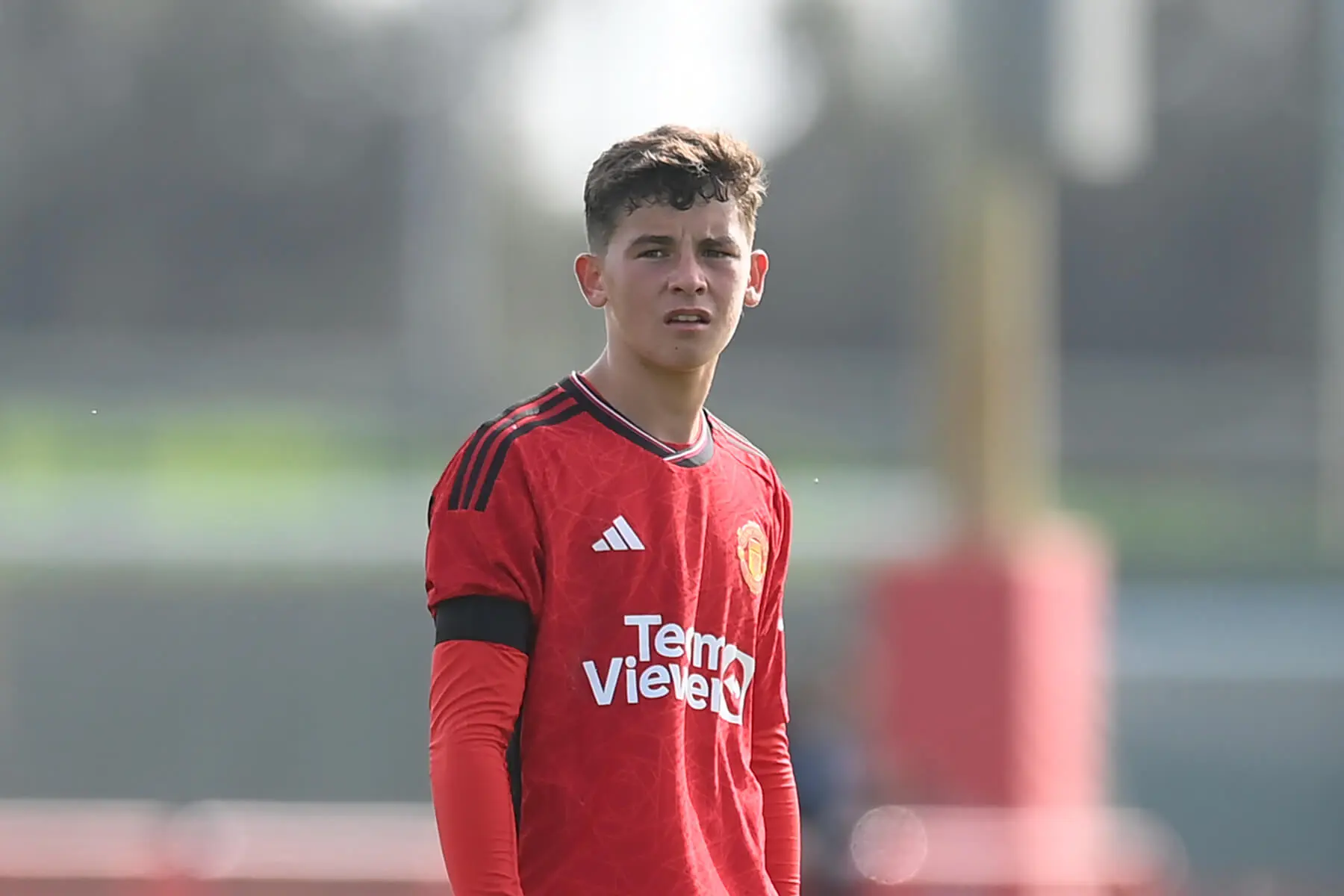
Harry Amass came on at half-time and did enough in both phases to pose a genuine question: with United still searching for a left-back, should he be given a proper run as Luke Shaw’s deputy? His goal showed intelligent forward movement; his defensive work was tidy. Jacob Devaney and Ethan Williams also scored, moments they will carry with them regardless of where their careers lead.
The unsung contribution came from Jaydan Kamason. The 19-year-old right-back set up two goals with low crosses that were more winger than defender, and Carrick kept him on longer than most of the other youngsters – a quiet endorsement that carries weight. Carrick’s track record of backing young players is well-documented, and his belief in the academy pathway was visible in who he trusted with extended minutes here.
As for JJ Gabriel – the 15-year-old whose inclusion in the travelling squad had generated genuine excitement – he remained an unused substitute throughout. Carrick had indicated ahead of the game that minutes would come for Gabriel in the friendlies ahead. The wait continues.
A great game to watch gone are the days of the slow build up the young players were good particularly amass and kamason out from jj gabriel the most gifted player in the accadomy is amir igragimov by a mile so why is he not getting a chance