
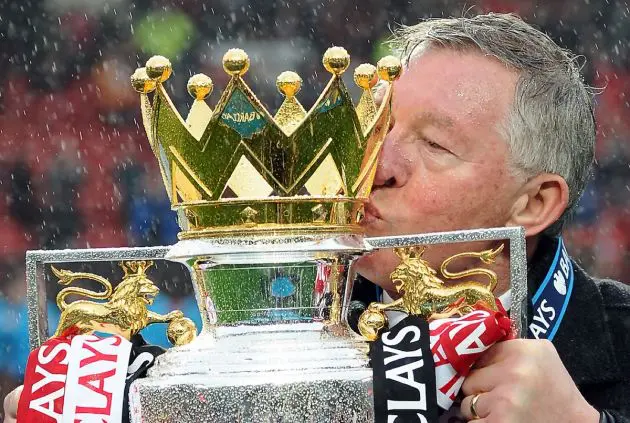
Manchester United’s famed ability to transform defeats into triumphs has been handed down through the years, creating moments that will go down in sports history.
Many individuals with this unique mental advantage, which is often dubbed the “Fergie Time” attitude, feel that no game is over until the final whistle. These comebacks’ emotional highs and lows make them a global show that draws more than just football fans. It also brings in people who explore Offshore casinos for UK players, adding another layer of excitement beyond the stadium.
This kind of thinking explains why United’s late goals seem like they were meant to happen instead of by chance. It also connects supporters all across the globe via their common excitement for the dramatic.
The Origins of Fergie Time
The term “Fergie Time” comes from Sir Alex Ferguson’s habit of pushing his players to attain their goals till the finish. United had to let them know they could keep coming to gain an advantage over the opposing team. It wasn’t simply about more time.
The historic 1999 Champions League final was the best example of this. Two goals in extra time ended a season that no one thought would end with a triple.
Ferguson’s sides were known for scoring late goals, making Old Trafford a fortress where visitors were just as afraid of the clock as the players. This foundation changed late goals from random events to expected ones.
Mental Resilience in Modern United Teams
The United squad is equally as tough now, as proven by how well they returned versus Lyon in the Europa League. They accomplished three goals in six minutes when it appeared like they might lose. Players must have a strong mind when pushing through fatigue on the field.
People worldwide are interested in these high-stakes turnarounds, and it’s not just normal viewers. This mental fortitude builds on itself: each comeback makes people believe that more are conceivable, which gives United a cultural character that sets them apart from other teams.
The Role of Leadership in Late Turnarounds
Good leadership makes Comebacks possible, as seen in Ruben Amorim’s new six-player leadership group, which includes Fernandes, Maguire, and Martinez. This system gives everyone on the team psychological duty, so someone can always bring them back together when hope seems lost.
Tom Heaton says that this group both supports and holds each other accountable. He says they are demanding more from each other and channelling energy in the right direction. This kind of leadership turns despair into organised urgency and wild moments into planned attacks on opponents’ defences.
Iconic Comebacks That Define United’s Spirit
The Champions League final in 1999 and last season’s amazing win against Lyon are two of United’s best comebacks. Every age creates new stories. Manchester United was down 4-2 extra time when Harry Maguire scored the game-winning goal in the 5-4 Europa League drama.
They’re not just wins but big events that help shape the club’s character. United needed more than a miracle, and that’s exactly what they got. These events have become societal touchstones for both new and old fans.
The Fan Psychology Behind Late Goals
Fans have a unique spiritual bond with United because of their never-give-up attitude. They believe that even the most dismal conditions can change in an instant. This desire turns watching into an emotional commitment, where supporters remain interested even when disappointed, waiting for the joyous moment when a late goal is scored.
Even though they see Garnacho score, parents tell their kids about Solskjaer’s goal in 1999. These memories unite those with diverse backgrounds. People remain passionate about the team because they feel connected even when things are bad.
Carrying the Mentality Forward
It takes work to maintain this mindset, particularly when teams change. According to Diogo Dalot, Amorim’s leadership group wants to make this spirit a part of the team’s culture by making players responsible for the group.
The refurbished Carrington training area is a concrete example of this idea: a place where players may build the strength they need to be heroes at the end of the game. If new players learn about this culture and supporters keep believing in it, Fergie Time will be more than just a memory. It will be a living tradition that shapes the future of United.